
A garage conversion can be an excellent way to create additional usable space without moving to a larger home. Whether you need a home office, guest room, bedroom, studio, family room, or another type of living area, converting an existing garage can make better use of space you already have.
For East Bay homeowners, one of the first questions to consider is: How much does a garage conversion cost on average?
There is no single price for every garage conversion. Costs can vary based on the garage’s size, existing condition, intended use, required permits, utility upgrades, insulation, plumbing, electrical work, and the quality of the materials and finishes selected.
As a general planning range, an East Bay garage conversion may cost approximately $50,000 to $125,000 or more. Projects involving extensive plumbing, structural modifications, or the creation of a fully independent living space may require a larger investment.
What Affects the Cost of a Garage Conversion?
The scope of your project is the biggest factor in determining the final cost.
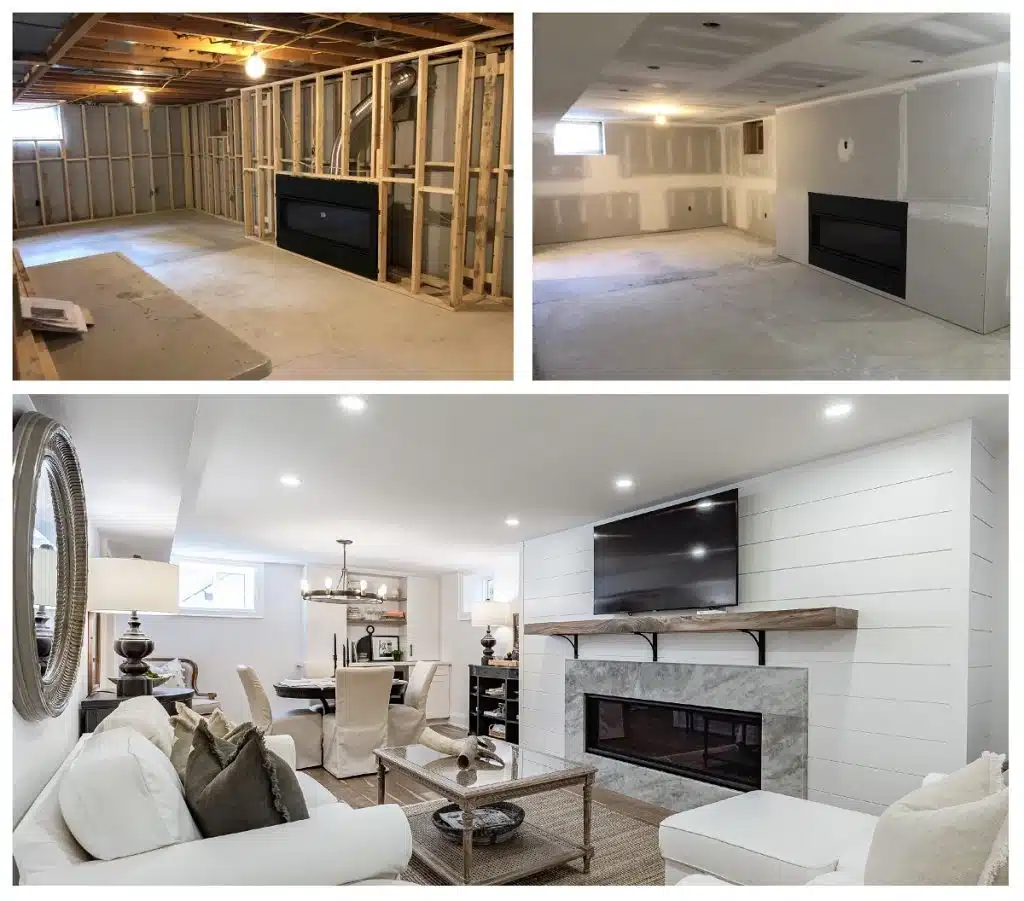
A basic conversion focused on creating a finished, usable interior space may require insulation, drywall, flooring, lighting, electrical improvements, doors, windows, and HVAC.
A conversion designed as a complete living space may require considerably more.
For example, converting a garage into a bedroom with an attached bathroom could require new plumbing, fixtures, ventilation, and additional electrical work. Creating a kitchen or independent living unit may involve even more construction.
The existing condition of the garage also matters. Older garages may need improvements to the foundation, framing, electrical system, roof, drainage, or other components before they can be converted.
Does the Size of the Garage Matter?
Yes, but size is only one consideration.
A larger garage generally requires more materials and labor, including flooring, drywall, insulation, paint, electrical work, and HVAC.
However, a smaller garage can still be expensive to convert if the project requires substantial infrastructure changes.
The intended use of the space is often more important than the square footage alone.
A home office may have relatively straightforward requirements, while a full bedroom suite with a bathroom and kitchen requires much more extensive construction.
What Is Included in a Garage Conversion?
Depending on the scope, a garage conversion can include:
- Insulation
- Drywall
- Flooring
- Interior walls
- Windows and doors
- Electrical work
- Lighting
- HVAC
- Plumbing
- Bathroom installation
- Kitchen or kitchenette
- Painting
- Storage
- Exterior improvements
The project may also require design and permitting services.
Homeowners should determine the intended use of the finished space early because the requirements can vary depending on how the room will function.
Can a Garage Become an ADU?
In some cases, a garage can be converted into an accessory dwelling unit.
ADU Construction can provide homeowners with an opportunity to create a separate living space that may include a bedroom, bathroom, kitchen, living area, and other features.
An ADU Contractor can help homeowners evaluate whether their existing garage is suitable for this type of project and what improvements may be required.
An ADU conversion generally involves more planning than simply finishing a garage. Utility connections, plumbing, electrical systems, insulation, ventilation, entrances, and other requirements may all need to be addressed.
For homeowners who want independent living space, however, the additional investment may provide significant long-term benefits.
Is a Garage Conversion Part of Home Remodeling?
It can be.
Many homeowners begin with one renovation and eventually decide to address additional areas of the property. A Garage Conversion Contractor may work as part of a broader Home Remodeling plan.
For example, a homeowner might renovate the kitchen and bathrooms while also converting the garage into an office or guest suite.
Kitchen Remodeling can update cabinetry, countertops, appliances, flooring, lighting, and other components, while Bathroom Remodeling can modernize showers, tubs, vanities, tile, fixtures, and storage.
When several areas of a property need attention, Whole House Remodeling may be worth considering.
What About Whole Home Remodeling?
Whole Home Remodeling takes a broader approach to improving the property.
Instead of focusing on one room, a Whole House Remodeling project may address kitchens, bathrooms, bedrooms, living areas, flooring, cabinetry, windows, doors, electrical systems, plumbing, and other components.
A garage conversion can potentially be incorporated into a larger renovation plan.
For homeowners who intend to remain in their property for many years, Whole Home Remodeling can provide an opportunity to improve both the functionality and appearance of the entire home.
How Does a Garage Conversion Compare With New Construction?
Homeowners who need additional space may also consider New Home Construction, but building an entirely new home is a much larger undertaking.
New construction involves designing and building a property from the ground up, along with site preparation, engineering, utilities, permits, and other construction requirements.
A garage conversion may be more practical when you already own a home you like and simply need additional usable space.
The best option depends on your property’s characteristics, your goals, available budget, and how much additional space you need.
Choosing a Garage Conversion Contractor in Contra Costa County, CA
Garage conversions require careful planning because an existing garage was not necessarily designed to function as finished living space.
If you are considering a Garage Conversion Contractor in Contra Costa County, CA, Kyvos Construction Inc. can help you explore the possibilities for your property.
The team can evaluate the existing space and help homeowners consider the construction requirements associated with their intended use.
Whether you want a home office, bedroom, guest space, family room, or potential ADU, defining the project scope early can make budgeting and planning much easier.
Working With a Home Remodeling Contractor in Contra Costa County, CA
Garage conversions are often part of a larger vision for improving an existing home.
If you are searching for a Home Remodeling Contractor in Contra Costa County, CA, Kyvos Construction Inc. provides residential remodeling and construction services for homeowners planning projects of varying sizes.
From Home Remodeling and Whole House Remodeling to Kitchen Remodeling, Bathroom Remodeling, garage conversions, and ADU Construction, a comprehensive approach can help homeowners make informed decisions about their property.