
When planning a home renovation, homeowners often want to know how much a remodeling contractor charges per hour. An hourly rate can seem like a straightforward way to estimate the cost of Home Remodeling, but residential construction pricing is often more complicated than simply multiplying an hourly rate by the number of hours worked.
A remodeling project’s total cost can include labor, materials, subcontractors, permits, design, project management, equipment, and other expenses. For larger projects, contractors may provide a detailed project estimate or proposal instead of billing strictly by the hour.
Understanding how contractors structure pricing can help homeowners establish realistic expectations before beginning a renovation.
Do Remodeling Contractors Charge by the Hour?
Some contractors and construction professionals may use hourly billing for specific types of work, particularly smaller repairs, service calls, consultations, or projects where the scope cannot easily be determined in advance.
However, larger remodeling projects are often priced according to the overall scope of work.
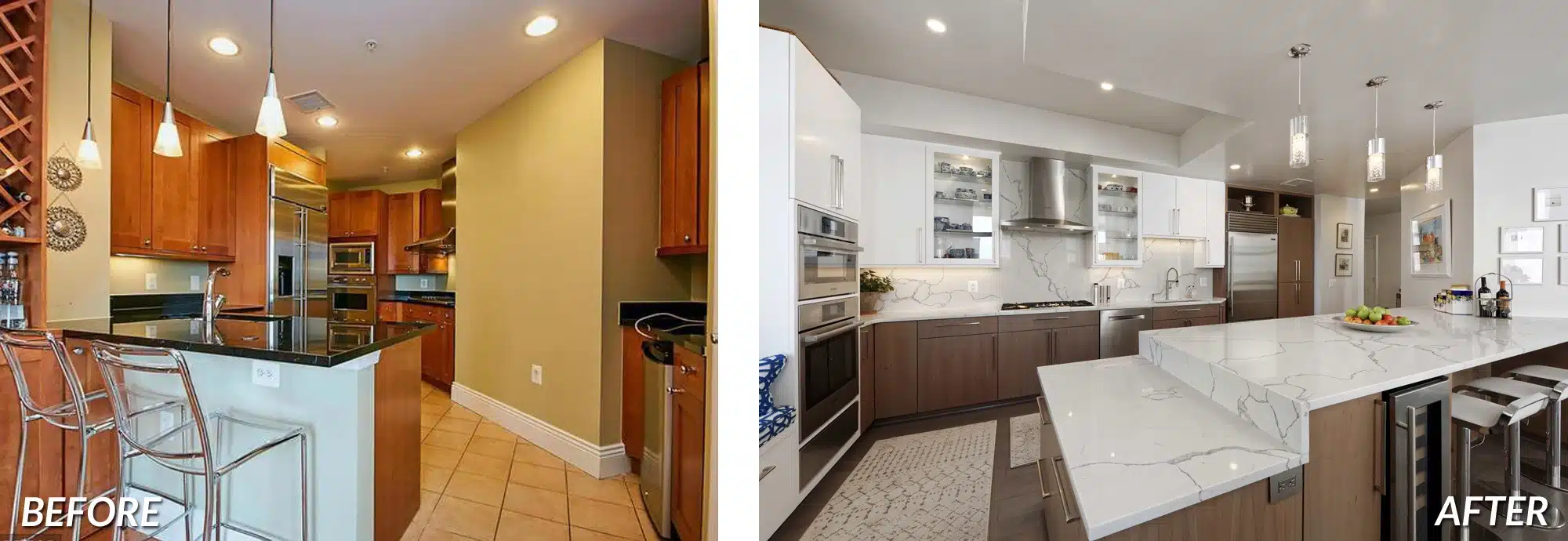
For example, Kitchen Remodeling may involve demolition, cabinetry, countertops, plumbing, electrical work, flooring, lighting, painting, and appliance installation. Rather than charging one hourly rate for every component, a contractor may develop a project-based estimate that accounts for the work and materials required.
Bathroom Remodeling can be structured similarly.
The best pricing method depends on the type and complexity of the project.
What Does a Remodeling Contractor’s Hourly Rate Include?
An hourly labor rate is not necessarily the same thing as a worker’s take-home wage.
A contractor’s pricing may account for business overhead, insurance, tools, equipment, administrative expenses, project management, transportation, licensing, and other operating costs.
When comparing remodeling estimates, homeowners should therefore look at the complete scope and total project investment rather than focusing only on an hourly number.
Two projects with the same number of labor hours can have dramatically different total costs because of differences in materials, subcontractors, permits, design requirements, and construction complexity.

Why Project Scope Matters More Than an Hourly Rate
The scope of a renovation is one of the most important factors in determining cost.
A small bathroom update may involve relatively limited construction. A Whole House Remodeling project could involve nearly every part of the property.
Whole Home Remodeling may include kitchens, bathrooms, bedrooms, living areas, flooring, cabinetry, windows, doors, electrical systems, plumbing, structural modifications, and other improvements.
Because the scope is so much larger, a project-based estimate can give homeowners a clearer understanding of the anticipated investment.
Before construction begins, homeowners should identify which areas they want to renovate and whether they anticipate changes to the existing layout.
What Affects the Cost of Home Remodeling?
Several factors can affect the cost of a remodeling project.
Materials
Cabinets, countertops, flooring, tile, fixtures, appliances, windows, doors, and other materials are available at many different price points.
Labor
Projects requiring demolition, structural work, specialized installation, plumbing, electrical work, or other skilled labor may have greater labor requirements.
Existing Conditions
Older homes can sometimes have hidden conditions that become apparent during construction. Outdated wiring, plumbing problems, water damage, or structural issues can affect the project scope.
Layout Changes
Moving walls, plumbing fixtures, appliances, windows, or doors can increase the complexity of a renovation.
Permits and Professional Services
Some projects require permits, architectural plans, engineering, inspections, or other professional services.
All of these factors should be considered when evaluating a remodeling estimate.
How Are Garage Conversions Priced?
A garage conversion is another example of a project where an hourly rate may not tell the entire story.
A Garage Conversion Contractor may need to address insulation, drywall, flooring, electrical work, HVAC, windows, doors, plumbing, and other construction requirements.
The cost will also depend on the intended use of the finished space.
A basic home office will have different requirements from a bedroom with a bathroom or an independent living area.
Homeowners should therefore request a detailed scope that explains what work is included rather than relying solely on an hourly figure.
What About ADU Construction?
ADU Construction can involve an even more extensive scope.
An ADU Contractor may need to coordinate design, permitting, utilities, structural work, plumbing, electrical systems, HVAC, finishes, and other components.
Because of this complexity, ADU projects are generally better evaluated based on the complete construction scope rather than an hourly labor rate alone.
Homeowners should ask what is included in the estimate and whether design, permitting, materials, and other project expenses are accounted for.
How Does New Home Construction Compare?
New Home Construction is another type of project where overall project pricing is typically more meaningful than an hourly rate.
Building a home from the ground up involves site preparation, design, engineering, permits, utilities, foundations, framing, roofing, mechanical systems, interior finishes, and numerous other components.
A comprehensive project estimate allows homeowners to understand the anticipated investment more effectively than simply calculating labor hours.
Choosing a Home Remodeling Contractor in Contra Costa County, CA
When evaluating remodeling contractors, homeowners should consider more than an hourly rate.
If you are searching for a Home Remodeling Contractor in Contra Costa County, CA, Kyvos Construction Inc. provides residential remodeling and construction services for homeowners throughout the area.
Whether you are planning Home Remodeling, Kitchen Remodeling, Bathroom Remodeling, Whole House Remodeling, a garage conversion, ADU Construction, or another residential project, a clearly defined scope can help you understand what your investment includes.
Ask questions about labor, materials, project management, permits, subcontractors, and potential changes before work begins.
Questions to Ask About a Remodeling Estimate
Before hiring a contractor, consider asking:
- Is the project priced hourly or by the overall scope?
- What labor is included?
- Are materials included?
- Are permits included?
- What happens if unexpected conditions are discovered?
- Which subcontractors will be involved?
- How are changes to the project handled?
- What payment schedule is expected?
- What specific work is included in the proposal?
Getting clear answers can help prevent misunderstandings later.